
January 2026 update: becoming a Webflow Certified Partner, client work changes, YouTube strategy shifts, course updates, and lessons on scalability.

January is already behind us, and somehow it’s February. Time moves fast, especially when you’re juggling client work, content creation, and long-term business goals.
This post is a longer, more detailed breakdown of what happened in January 2026 — what changed, what worked, and what I’m rethinking as a freelance Webflow developer and content creator.
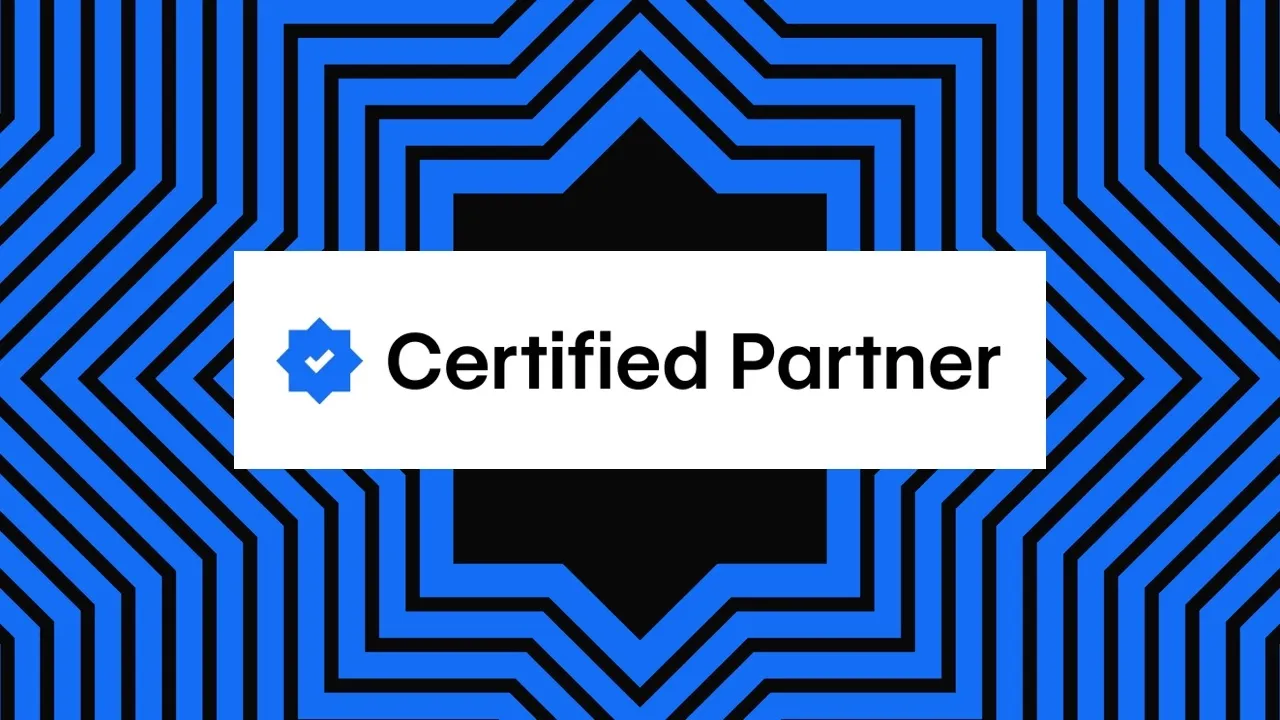
On January 10th, 2026, I was officially accepted into the Webflow Certified Partner program.
This wasn’t my first attempt. I applied years ago during my early freelancing days and didn’t get in — which was fair. At the time, my portfolio wasn’t as strong, and my development practices were still evolving.
Back then, I leaned heavily on relative units like em and vw for layout control. Over time, I shifted toward more predictable, scalable approaches using rem and px where appropriate. The work matured, and so did the systems behind it.
The Partner program itself is well thought out. Webflow gamifies progression, allowing partners to “level up” over time for better visibility and perks. It’s a solid milestone after more than five years of independent Webflow work.
January was intense on the client side — the usual New Year surge when businesses want to move quickly. One major shift worth calling out is that I no longer use Fiverr at all. Every client project now comes through:
This change alone has significantly improved project quality, communication, and long-term relationships. It’s also reinforced how valuable owning your audience and inbound channel really is.
YouTube remains a love–hate relationship.
The platform has changed dramatically since its early days. Oversaturation, AI-generated content, and the heavy prioritisation of Shorts have reshaped how creators need to think about growth.
I previously decided to stop posting Shorts, but the reality is more nuanced. Shorts still play a role in discoverability, even if they’re not the end goal.
Going forward, I’m likely reducing my long-form output from two videos per week to one. That time will be reinvested into:
This is a trade-off. Fewer uploads means slower surface-level growth, but potentially better long-term performance per video. I’ll still post some Shorts to support reach, but long-form content remains the priority.
I spent time improving the course experience by updating the UI and adding more downloadable resources. One unexpected win this month was reaching out to Memberstack. They ended up fully sponsoring my account, meaning my subscription is now completely covered. Previously, this was a recurring $29 USD monthly expense.
That might sound small, but recurring savings like this compound. It’s money that can now be redirected into tools, content, or future experiments.
One idea I’ve been thinking about more seriously is scalability.
Truly scalable businesses are not tightly bound to one individual. If everything depends on you showing up every day, growth eventually hits a ceiling.
Influencers are a clear example. Their reach depends entirely on their presence, which is why many eventually branch into physical products or standalone brands that can operate independently.
This isn’t something I’m rushing to solve right now, but it’s an important lens to view future decisions through — especially if the goal is long-term leverage or optionality down the line.
January set the tone for the year: solid progress, a few strategic wins, and clearer direction in how I want to allocate time and energy. If you’re a freelancer, Webflow developer, or creator navigating similar trade-offs, hopefully this breakdown was useful.
More to come.
-Derek Siu

