
Explore the massive Webflow 2026 updates, from 1M+ CMS items for Enterprise to GSAP-powered animations and a new marketer-friendly editing experience.


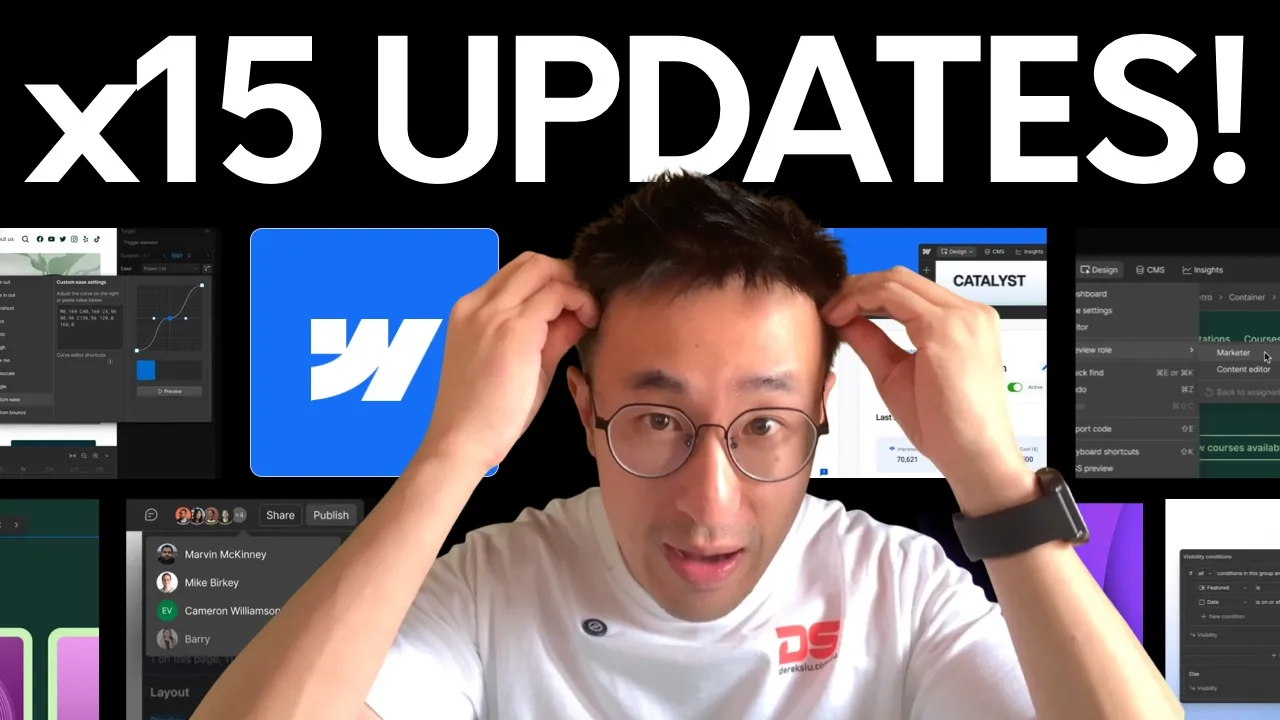
Webflow just kicked off 2026 with a massive "January Drop" that fundamentally redraws the lines of what’s possible on the platform.
After diving deep into the technicalities, I’ve identified the 15 most significant changes—ranging from "quality of life" tweaks for solo freelancers to massive infrastructure shifts for Enterprise teams. Here is what you need to know to stay ahead of the curve.
For years, the CMS limit was the primary "glass ceiling" for Webflow. As of now, Enterprise sites can scale up to 1 million CMS items. With an increase to 100 fields per collection and enhanced multi-reference capabilities, Webflow is no longer just for marketing sites; it is now a powerhouse for massive, data-driven directories and global content hubs.
The most requested workflow feature is finally here. Real-time collaboration allows multiple team members to work inside the Designer simultaneously. You can now see where your teammates are clicking and what they are editing in real-time, effectively ending the "site busy" lockout era.
Following Webflow’s acquisition of GSAP, motion design has moved from code-heavy to native UI. A new Animation Timeline allows you to orchestrate complex sequences with professional easing curves. Additionally, the integration with Spline 3D has been polished with a dedicated easing visualizer, making high-end 3D interactions more accessible than ever.
The legacy Editor is being phased out in favor of a much more powerful Marketer Role. Content editors can now edit text and images directly on the canvas—even inside "locked" components like Tabs and Sliders. Combined with the new ?update URL shortcut to jump straight into edit mode, the client handoff experience just got a serious upgrade.
We finally have "And/Or" logic for conditional visibility. The redesigned UI allows for complex "All" or "Any" filtering. This means you can create highly personalized user experiences based on granular CMS data without resorting to custom JavaScript workarounds.
Webflow is moving deeper into the marketing tech stack. Webflow Analyze now provides native goal tracking and engagement metrics, while a new official Google Ads App allows for seamless conversion tracking and integration directly from the Webflow Marketplace.
Whether it’s the UI overhaul for multi-language sites ("Webflow Local") or the massive boost in backend performance, Webflow in 2026 feels like a completely different beast. It is faster, more collaborative, and significantly more powerful for large-scale builds.

